


Trauma-Informed Somatic Massage for Women
Specialized bodywork for the physical effects of developmental trauma, chronic stress and survival physiology.
Welcome, brave heart.
Embodied Life Co is a Toronto-based somatic practice offering trauma-informed massage and specialized somatic touch work for women living with persistent tension, chronic pain, hypervigilance and the lasting physical effects of trauma.
My approach brings together massage therapy, somatic awareness and an understanding of how the body adapts to prolonged stress and relational trauma. Sessions are collaborative, carefully paced and attentive to the ways your body responds to touch, rest, connection and care.
Trauma-Informed
RMT Somatic Bodywork
Trauma-informed bodywork that supports nervous system healing, emotional resilience, and a deeper connection with yourself.
Creating the conditions for your body to soften, settle, and remember its innate capacity to heal.
Traditional massage can offer meaningful relief from muscular tension and pain. Trauma-informed somatic bodywork brings an additional focus to the experience of being in your body and receiving touch.
Rather than approaching tension as something that simply needs to be released, we pay attention to how your body organizes around protection: where you brace, when you withdraw, what happens when you begin to settle and what makes receiving care feel possible.
Touch is offered with attention to consent, sensation, boundaries and your capacity in the moment. There is room to pause, adjust or stop. Nothing needs to be pushed through.
Over time, this work can support greater body awareness, a more flexible relationship with protective responses and an increased capacity to experience rest and receive care.
The work is relational, responsive and guided by your experience.
-
A specialized modality using gentle, supportive touch to stabilize the nervous system and promote deep states of rest. It involves no rubbing, kneading, or moving of tissues. It is purely a non-invasive, motionless placement of hands to help a highly dys-regulated body learn what safety feels like. Learn more
-
Somatic Massage Therapy is a trauma-informed, nervous-system-aware form of bodywork that supports women in reconnecting with their bodies with safety, choice, and presence.
This approach weaves therapeutic massage with somatic awareness, helping to gently unwind patterns of tension, stress, and trauma held in the body. Rather than focusing only on physical symptoms, somatic massage honours the body as an intelligent system shaped by experience, emotion, and memory.
I offer Somatic Massage Therapy in Toronto for women seeking bodywork that feels grounded, respectful, and deeply attuned.
Resilience & Integration
A gentle, body-based approach to healing trauma, chronic stress, and nervous system overwhelm. These sessions support you to come into relationship with your body at a pace that honours your nervous system, your lived experience, and your innate wisdom.
-
I offer gentle, attachment-focused somatic therapy and trauma-informed bodywork for women healing from the impact of sexual trauma.
Learn more -
-
When the body remains in survival mode
You may understand that your circumstances have changed and still find that your body hasn't caught up.
Your jaw may remain clenched. Your shoulders may be perpetually braced. You may struggle to settle, find it difficult to rest or notice that your body remains on alert even when nothing appears to be wrong.
Perhaps you live with chronic pain or persistent muscular tension. Perhaps you experience hypervigilance, numbness, shutdown or a deep discomfort with receiving touch. You may have a history of childhood neglect, emotional or physical abuse, sexual trauma or relational experiences that shaped how your body learned to protect you.
These experiences can influence how the nervous system responds to the world, how the body holds tension and how safe it feels to let go.
Your body's protective responses make sense in the context of what you have lived through.
At Embodied Life Co, we work with these patterns through a specialized, body-based approach that respects the protective function they have served.
Who this work is for
My practice is specifically focused on women whose physical symptoms and relationship with their bodies may be shaped by developmental trauma and prolonged survival stress.
This work may be relevant if you experience:
Chronic muscular tension, pain or persistent patterns of bracing.
Jaw clenching, headaches, neck and shoulder tension.
Hypervigilance, difficulty settling or a persistent sense of being on alert.
Shutdown, disconnection or difficulty sensing what is happening in your body.
A history of childhood neglect, abuse, attachment disruption or other relational trauma.
Discomfort with touch, difficulty receiving care or a strong need to remain in control of your surroundings.
A sense that conventional massage hasn't fully addressed what happens in your body.
You do not need a formal diagnosis of C-PTSD to explore this work. What matters is whether the approach is relevant to your experience and whether we can work together in a way that respects your needs and capacity.
A different experience of touch
For many women, receiving touch can bring up more than physical sensation. It can involve vulnerability, uncertainty, the need to stay alert or the experience of having personal boundaries overlooked.
Trauma-informed bodywork takes these realities seriously.
Sessions are collaborative and paced around your responses. Your preferences and boundaries remain central. We attend to what feels manageable, what feels supportive and when your body may need more space.
You remain clothed during this specialized somatic touch work. There is no expectation to disclose personal history or to tolerate anything that doesn't feel right for you.
The intention is to offer an experience of touch in which you can remain connected to your own agency, preferences and internal signals.


Where to Begin


Begin by filling out the contact form. This first step helps us begin the conversation
Complete the Contact Form
We’ll meet online for a complimentary consultation to explore whether this work feels aligned for you.
15 minute Virtual Consultation


Your first session is conversation-based and does not include touch. This session creates space to build safety, trust, and connection within the therapeutic relationship
In-Person Initial Session
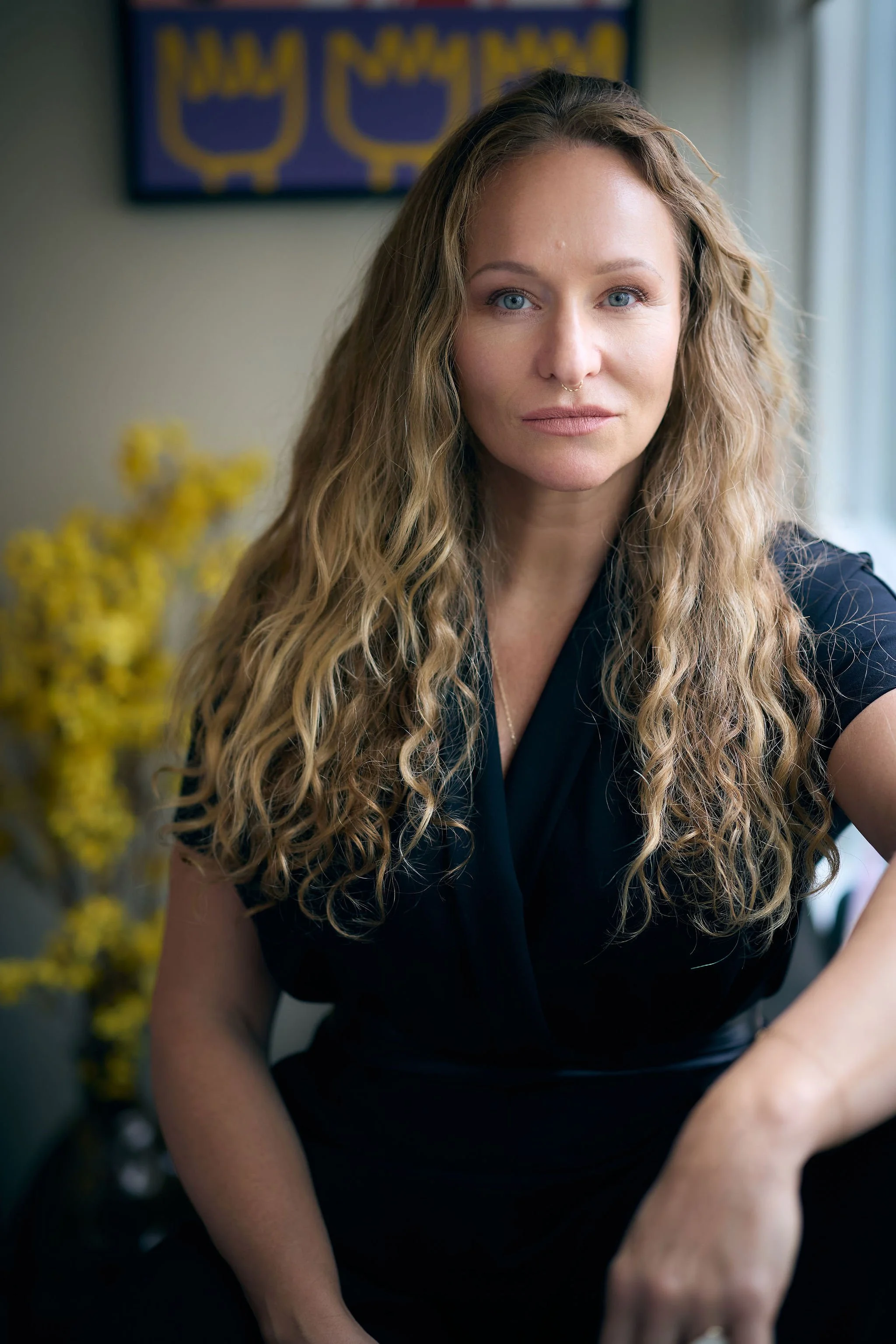
Meet Rachel
Rachel Pfau, RMT, SEP
My training has unfolded slowly, the same way I ask this work to unfold for the women I sit with. I came to this practice first as a Registered Massage Therapist, and over the years, that grew into deeper study as a Somatic Experiencing® Practitioner and a NARM® Informed Professional, learning how trauma lives in the body and how it finds its way back to safety. I'm listed in the Somatic Experiencing International Practitioner Directory. This isn't a side offering I picked up along the way. It's the whole of my practice.
This work moves at the pace of trust, not the pace of a typical appointment.
We begin with a consultation call, then an in-person intake session that's entirely conversation, no touch yet. This first meeting is where we build the safety and connection that everything else grows from. From there, some women move into bodywork. Many spend more time simply being met in conversation, because that's often where the deepest shifts happen.
If you're ready to be understood slowly and thoroughly, rather than rushed toward a result, you're in the right place.
What to Expect

Here, healing is not performance.
It is relationship.
If you’re looking for a quick fix, this may not be the right place. But if you’re ready for a slower, relational approach rather than rushed toward a result, you’re in the right place.
FAQS
What does a session look like?
We begin by arriving with an regulation practice to ground and attunement to what is present in your body, your energy, and your inner landscape. Together, we follow what is most alive and gently explore what’s needed: grounding, connection, release, or rest.
What if I'm not ready for any physical touch at all?
In early sessions , especially the first, we may not include any hands-on work. Instead, we tend to the essential foundations of embodied consent. This may include:
Tuning into sensation, boundaries, and body cues
Cultivating nervous system awareness and resourcing
Establishing safety, choice, and pacing in relationship
When and if touch becomes part of the process, it is always consensual, trauma-informed, and deeply attuned. Somatic bodywork may include gentle, therapeutic contact that supports healing, regulation, and reconnection.
What’s the difference between trauma-informed care and trauma processing therapy?
Trauma-informed means care is provided with an awareness that trauma may be part of a person’s history and may affect how they feel, respond, and relate. The focus is on creating emotional safety, building trust, supporting choice, and avoiding approaches that feel overwhelming or re-traumatizing.
Trauma processing is a deeper therapeutic approach that directly works with traumatic memories, sensations, emotions, and beliefs so they can be integrated and no longer feel as distressing or disruptive. This work is usually more focused and intentional, and it often happens only after enough safety, stability, and coping resources are in place.
In simple terms: trauma-informed care helps create the conditions for healing, while trauma processing works more directly on the trauma itself.
Where are you located?
The studio is located in Toronto's St. Lawrence Market neighbourhood, close to the Financial District and Union Station, and Rachel works primarily with women in downtown Toronto and the surrounding GTA. All sessions are in person.
